
Understanding Casino Probabilities and House Edge
The core of any casino experience revolves around probabilities, the mathematical likelihood of different outcomes in games of chance. Understanding these probabilities is crucial for any player aiming to strategize or simply comprehend the nature of the games they are playing. For instance, in blackjack, the probability of drawing a certain card or achieving a specific hand total can be calculated, forming the basis for effective playing decisions. These calculations, while complex, ultimately determine the expected return for the player over the long term, and for more information on online gaming, you might explore betbolt-fr.win.
The concept of the “house edge” is intrinsically linked to these probabilities. It represents the casino’s built-in advantage, ensuring profitability over time. This edge is not about unfairness but rather a statistical certainty derived from the game’s rules and payout structures. For example, in roulette, the presence of the zero (and sometimes double zero) pockets gives the house a statistical advantage, meaning that for every dollar bet, the casino expects to retain a small percentage over countless spins. Recognizing and understanding the house edge in various casino games is paramount for informed gambling.
The Role of Token Power in Casino Games
In the context of casino gambling, “token power” can be interpreted as the strategic value or impact of a player’s chips or betting units within the game’s probabilistic framework. It’s not about the physical token itself, but rather how effectively a player manages and deploys their betting capital in relation to the game’s odds and their desired outcomes. Effective token power management involves understanding bet sizing, risk management, and the potential influence of larger bets on game progression, particularly in games like poker where psychological elements also play a role.
Furthermore, token power can be seen in the context of bonus structures or loyalty programs offered by casinos. These might provide players with additional “tokens” or credits that effectively enhance their playing power without directly coming out of their initial stake. This can influence perceived probabilities or extend playing time, offering more opportunities to engage with the game’s inherent probabilities. Properly leveraging these tokens can alter a player’s strategic approach and their interaction with the house edge.
Calculating Your Odds: Probability in Action
Delving deeper into probability, players can actively calculate their odds in many casino games. For example, in craps, the probability of rolling a specific number on two dice can be precisely determined by counting the combinations that result in that sum and dividing by the total possible combinations. This analytical approach moves beyond blind luck and allows for more informed betting decisions, such as understanding which bets offer a lower house edge. Many online resources and even casino floor staff can provide insights into these calculations.
The strategic application of probability calculations is especially evident in card games like blackjack. By keeping track of the cards that have already been played, a player can adjust the probability of drawing favorable cards in the future. This is the essence of card counting, a technique that, while not illegal, is often discouraged by casinos. Even without advanced techniques, understanding basic probabilities helps in deciding whether to hit, stand, double down, or split, all of which are decisions influenced by the perceived probability of improving one’s hand.
Strategic Betting and Probability Management
Effective strategy in casino games is fundamentally about managing probabilities and leveraging your “token power” wisely. This means making calculated risks rather than purely emotional ones. For instance, in slots, while outcomes are largely random, understanding the concept of Return to Player (RTP) percentages can guide choices towards machines that theoretically offer better long-term payouts. Similarly, in table games, understanding the optimal betting patterns associated with lower house edges is a key component of strategic play.
The concept of token power also relates to bankroll management. A player with a larger bankroll (more “tokens”) can withstand short-term variance and continue playing through losing streaks, allowing them to capitalize on favorable probabilities when they arise. Conversely, a player with a smaller bankroll must be more conservative with their bets to avoid depleting their resources too quickly. This strategic approach ensures that their betting power is sustained, providing more opportunities to engage with the probabilities of the game and potentially overcome the house edge.
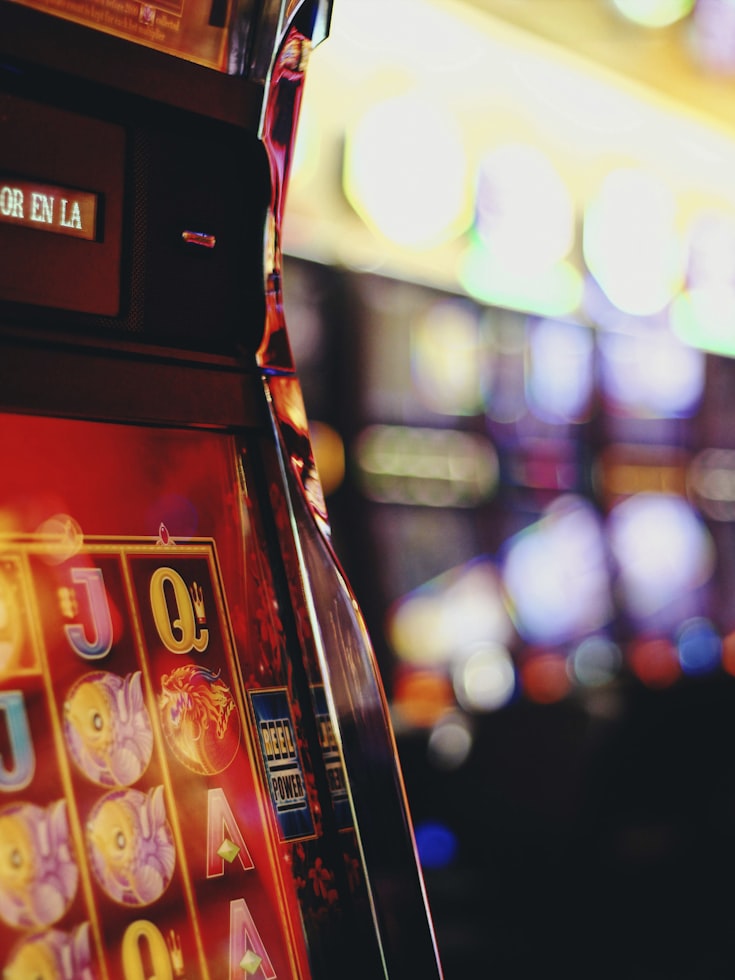
Exploring the Casino Experience and Its Probabilities
The allure of the casino is undeniable, a blend of entertainment, strategy, and the ever-present thrill of chance. Each game, from the spinning roulette wheel to the shuffled decks of cards, operates on a foundation of carefully calibrated probabilities designed to offer excitement while ensuring the casino’s continued operation. Understanding these probabilities is not about guaranteeing a win, but about appreciating the intricate mathematical dance between player and house. It’s about engaging with the games on a more informed level, recognizing the statistical advantages and disadvantages inherent in each bet.
When you engage with a casino, whether online or in person, you are interacting with a system built on probability. The games are designed with specific house edges, meticulously calculated to provide a consistent return for the establishment. However, this doesn’t negate the possibility of individual wins or the excitement that comes with those moments. The “token power” a player brings to the table, represented by their betting capital and strategic decisions, interacts directly with these probabilities, creating the dynamic and unpredictable nature of the gambling experience.
Comentarios recientes